

Everything Your Skin Wants to Know
Aurangzeb QureshiYour skin is the largest organ in your body, and it works around the clock to protect you. Yet most of us only think about it when something goes wrong. A breakout shows up before a big event. A patch of dryness appears out of nowhere. Or, for many people, the challenge of unwanted hair leaves them searching for a solution that's fast, gentle, and effective. Whatever brought you here, this guide is meant to be the one-stop resource for understanding your skin, building a routine that actually works, and making smarter choices about the products you put on your body.

Understanding Your Skin Type
Before you can build an effective skincare routine, you need to know what you're working with. Skin generally falls into one of five categories: normal, oily, dry, combination, and sensitive. Each type has different needs, and using the wrong products can actually make problems worse rather than better.
Normal skin tends to be well-balanced, with few imperfections, small pores, and a healthy, radiant appearance. Oily skin produces excess sebum, leading to a shiny appearance, enlarged pores, and a higher likelihood of breakouts. Dry skin often feels tight, flaky, or rough, and may show visible lines more easily. Combination skin is oily in some areas (usually the forehead, nose, and chin) and dry or normal in others. Sensitive skin reacts easily to new products, weather changes, or friction, often resulting in redness, itching, or irritation.
Knowing your skin type isn't just useful for moisturizers and cleansers. It also matters when choosing something like a hair removal cream. A formula built for normal skin might sting or irritate sensitive skin, which is why looking for options specifically designed with soothing ingredients like aloe vera or shea butter can make a noticeable difference in comfort and results.
Building a Skincare Routine That Actually Works
A good skincare routine doesn't need to be complicated. In fact, simplicity is often more effective and sustainable than a ten-step regimen you'll abandon after two weeks. Here's a foundation that works for nearly everyone:
- Cleanse: Remove dirt, oil, and impurities without stripping your skin's natural barrier.
- Tone (optional): Balance your skin's pH and prep it for the next steps.
- Treat: Apply targeted products like serums for specific concerns (hydration, brightening, anti-aging).
- Moisturize: Lock in hydration to keep your skin barrier strong.
- Protect: Sunscreen, every single day, regardless of weather or season.
The order matters because each step builds on the last. Applying moisturizer before cleansing, for example, traps dirt and oil against your skin rather than removing it. Consistency matters even more than the specific products you choose. Skin needs time, often four to six weeks, to show visible improvement from a new routine.
The Truth About Hydration
Hydrated skin isn't just about how much water you drink, although that helps. It's about maintaining your skin's moisture barrier, the outermost layer that keeps water in and irritants out. When this barrier is compromised, your skin can become dry, flaky, and more prone to sensitivity or breakouts, even if you're using rich moisturizers.
Ingredients like hyaluronic acid, glycerin, and ceramides are particularly effective at supporting hydration because they either draw moisture into the skin or reinforce the barrier itself. If you're dealing with persistent dryness despite a solid routine, it may be worth looking at whether harsh exfoliants, over-cleansing, or certain hair removal methods are stripping your skin's natural oils faster than they can be replenished.
Smooth Skin Without the Irritation
Hair removal is one of the most common skincare-adjacent routines, yet it's also one of the most likely to cause irritation if done incorrectly. Shaving can lead to razor burn and ingrown hairs. Waxing can be painful and sometimes damages sensitive skin. This is where a quality hair removal cream becomes a popular alternative. It's fast, generally painless, and when formulated well, can leave skin feeling smoother than either shaving or waxing.
The key is choosing a formula suited to your skin type. Look for hair removal creams that include:
- Aloe vera for its soothing, anti-inflammatory properties
- Shea butter to nourish and moisturize while removing hair
- Fragrance options suited to sensitive or normal skin, so the experience feels pleasant rather than harsh
- Fast-acting formulas that minimize the time the product needs to sit on your skin, reducing the chance of irritation
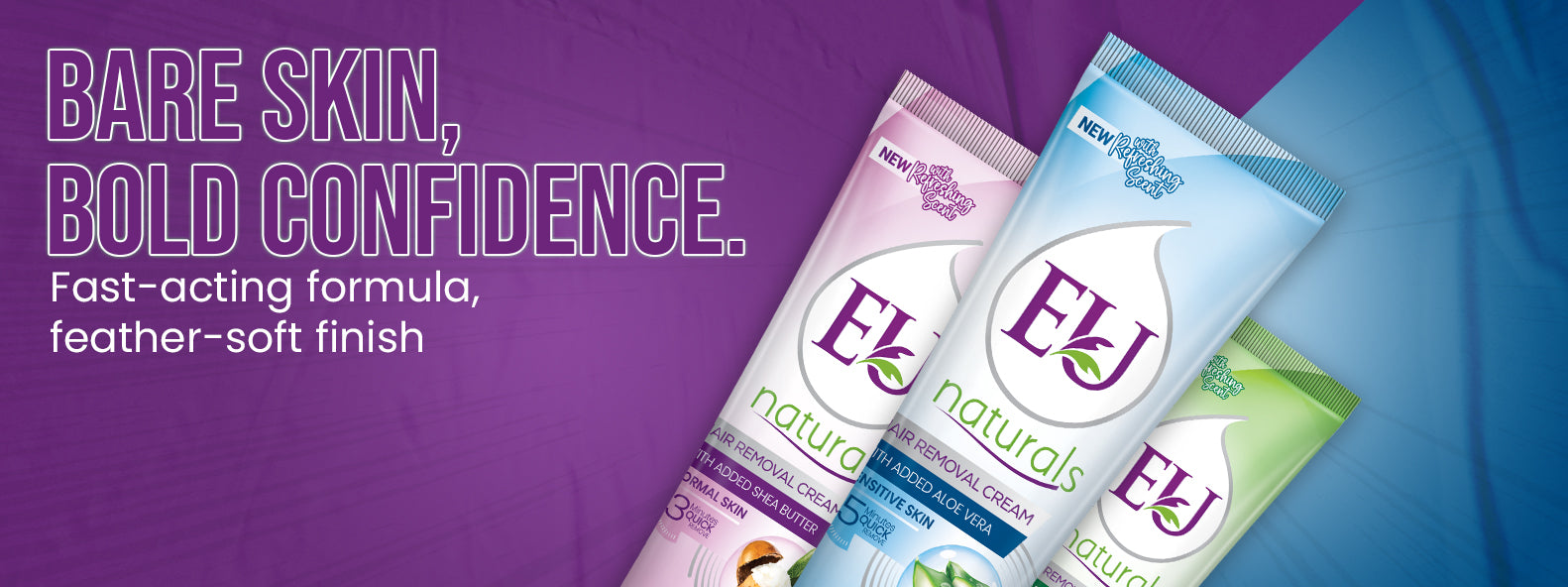
A well-formulated hair removal cream, like those made with added shea butter for normal skin or aloe vera for sensitive skin, can deliver feather-soft results without the discomfort of traditional methods. The goal isn't just removing hair. It's doing so in a way that leaves your skin healthier, not more irritated, afterward.
Common Skincare Mistakes to Avoid
Even people who care deeply about their skin often fall into a few common traps:
Over-exfoliating. More isn't always better. Exfoliating too frequently can damage your skin barrier, leading to redness, sensitivity, and even more breakouts.
Skipping sunscreen on cloudy days. UV rays penetrate clouds, and daily sun exposure is one of the leading causes of premature aging and hyperpigmentation.
Using products with too many active ingredients at once. Combining retinol, vitamin C, and strong acids in the same routine without easing in can overwhelm your skin and cause irritation.
Ignoring patch tests. Whether it's a new moisturizer, serum, or hair removal cream, testing a small area first can save you from a full-face (or full-body) reaction.
Not moisturizing after hair removal. Whatever method you use, your skin needs replenishment afterward. Skipping this step is one of the most common reasons people experience post-removal dryness or irritation.
Ingredients Worth Knowing
Not every ingredient is essential for every routine, but understanding what's in your products helps you make informed choices:
- Aloe Vera: Calms irritation and provides lightweight hydration, making it ideal for sensitive skin.
- Shea Butter: A deeply nourishing, fatty-acid-rich ingredient that helps restore moisture and softness.
- Hyaluronic Acid: Draws and holds moisture in the skin, plumping and hydrating.
- Niacinamide: Helps with tone, texture, and minimizing the appearance of pores.
- Vitamin E: An antioxidant that supports skin repair and protects against environmental damage.
When shopping for skincare or hair removal products, scanning the ingredient list for these can help you gauge whether a formula is likely to work well for your specific skin needs.
Seasonal Skincare Adjustments
Your skin's needs shift with the seasons, and your routine should shift with it. In colder months, skin tends to lose moisture faster due to low humidity and indoor heating, so richer moisturizers and gentler cleansers are often necessary. In warmer months, lighter formulas and increased sun protection become priorities, along with more frequent hydration if you're spending time outdoors.
Hair removal routines often follow seasonal patterns too; many people remove hair more frequently in the summer months when skin is more exposed. This is another reason a fast-acting, skin-friendly hair removal cream can be a practical choice: it fits easily into a routine that needs to keep up with the season, without requiring extensive downtime or aftercare.
When to See a Dermatologist
While a solid at-home routine handles most everyday skin concerns, some issues warrant professional attention. Persistent acne that doesn't respond to over-the-counter treatments, unexplained rashes, moles that change in size or color, or ongoing sensitivity that disrupts your daily life are all signs it's worth booking an appointment. A dermatologist can identify underlying causes, whether hormonal, environmental, or product-related, that a routine alone can't fix.
Final Thoughts
Great skin isn't about chasing trends or buying every product on the market. It's about understanding your skin type, building a consistent and appropriately gentle routine, and choosing products, from moisturizers to hair removal creams, that are formulated with your specific needs in mind. Whether your goal is smoother skin, better hydration, or simply feeling more confident in the skin you're in, small, informed choices add up to meaningful results over time.
Bare skin and bold confidence aren't mutually exclusive. With the right knowledge and the right products, you can have both.